 01494 862168
  mailorder@standrewsbookshop.co.uk
OUR PRICE
£14.99
Usually shipped within 2 - 5 working days
Additional information
| Weight | 100g |
|---|---|
| Format | Hard Cover |
| Publisher | Hodder & Stoughton |
| Publication Date | 03/10/2019 |
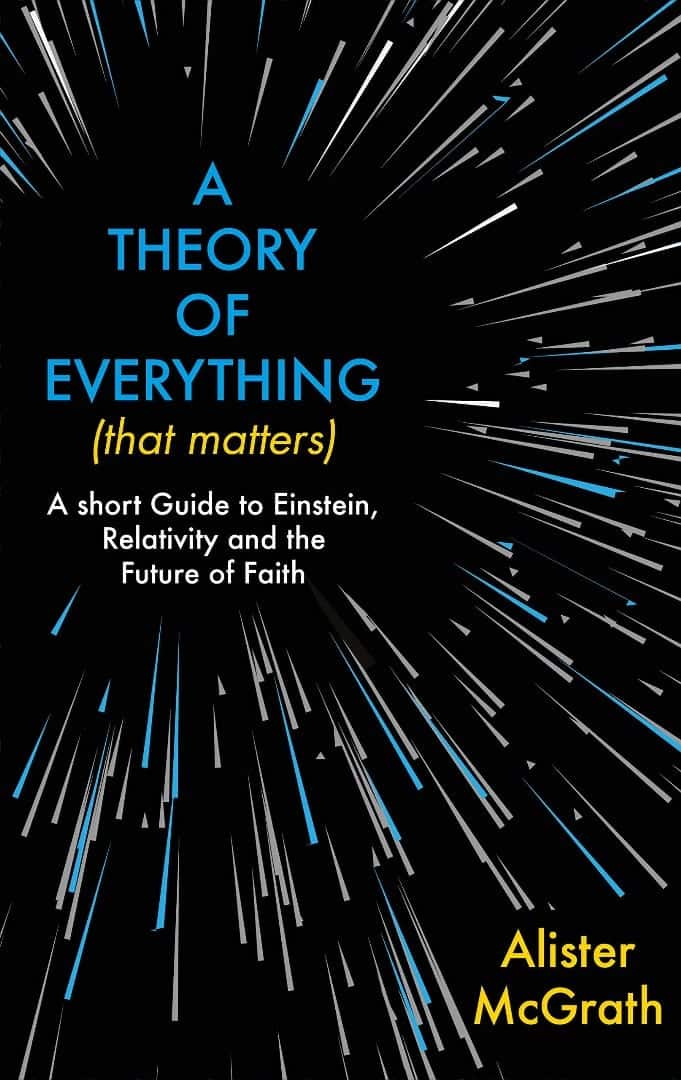
On 29th May 1919, British astronomers tested Einstein’s theory of relativity by measuring the path of the stars travelling near the sun during an eclipse. On 7th November 1919, the results of that experiment were announced in London, proving Einstein’s theory of relativity. A Theory of Everything (that Matters) has been written in celebration of this 100th anniversary.nnWith the confirmation of Einstein’s theories at the beginning of the twentieth century, our understanding of the universe became much more complex. What does this mean for religious belief, and specifically Christianity? Does it mean, as so many people assume, the death of God? In A Theory of Everything (that Matters) Alister McGrath – Professor of Science and Religion at Oxford University – explores these questions, giving an overview of Einstein’s thought and scientific theories, including his nuanced thinking on the difference between the scientific enterprise and beliefs outside its realm.nnThis groundbreaking book is for anyone intrigued by Einstein as one of the twentieth century’s most iconic figures, who wants to know what his theories mean for religion, and who is interested in the conversation between science and religions more broadly.
Show More
On 29th May 1919, British astronomers tested Einstein’s theory of relativity by measuring the path of the stars travelling near the sun during an eclipse. On 7th November 1919, the results of that experiment were announced in London, proving Einstein’s theory of relativity. A Theory of Everything (that Matters) has been written in celebration of this 100th anniversary.nnWith the confirmation of Einstein’s theories at the beginning of the twentieth century, our understanding of the universe became much more complex. What does this mean for religious belief, and specifically Christianity? Does it mean, as so many people assume, the death of God? In A Theory of Everything (that Matters) Alister McGrath – Professor of Science and Religion at Oxford University – explores these questions, giving an overview of Einstein’s thought and scientific theories, including his nuanced thinking on the difference between the scientific enterprise and beliefs outside its realm.nnThis groundbreaking book is for anyone intrigued by Einstein as one of the twentieth century’s most iconic figures, who wants to know what his theories mean for religion, and who is interested in the conversation between science and religions more broadly.
On 29th May 1919, British astronomers tested Einstein’s theory of relativity by measuring the path of the stars travelling near the sun during an eclipse. On 7th November 1919, the results of that experiment were announced in London, proving Einstein’s theory of relativity. A Theory of Everything (that Matters) has been written in celebration of this 100th anniversary.nnWith the confirmation of Einstein’s theories at the beginning of the twentieth century, our understanding of the universe became much more complex. What does this mean for religious belief, and specifically Christianity? Does it mean, as so many people assume, the death of God? In A Theory of Everything (that Matters) Alister McGrath – Professor of Science and Religion at Oxford University – explores these questions, giving an overview of Einstein’s thought and scientific theories, including his nuanced thinking on the difference between the scientific enterprise and beliefs outside its realm.nnThis groundbreaking book is for anyone intrigued by Einstein as one of the twentieth century’s most iconic figures, who wants to know what his theories mean for religion, and who is interested in the conversation between science and religions more broadly.
Find out more
On 29th May 1919, British astronomers tested Einstein’s theory of relativity by measuring the path of the stars travelling near the sun during an eclipse. On 7th November 1919, the results of that experiment were announced in London, proving Einstein’s theory of relativity. A Theory of Everything (that Matters) has been written in celebration of this 100th anniversary.nnWith the confirmation of Einstein’s theories at the beginning of the twentieth century, our understanding of the universe became much more complex. What does this mean for religious belief, and specifically Christianity? Does it mean, as so many people assume, the death of God? In A Theory of Everything (that Matters) Alister McGrath – Professor of Science and Religion at Oxford University – explores these questions, giving an overview of Einstein’s thought and scientific theories, including his nuanced thinking on the difference between the scientific enterprise and beliefs outside its realm.nnThis groundbreaking book is for anyone intrigued by Einstein as one of the twentieth century’s most iconic figures, who wants to know what his theories mean for religion, and who is interested in the conversation between science and religions more broadly.
OUR PRICE:
£14.99
Usually shipped within 2 - 5 working days
On 29th May 1919, British astronomers tested Einstein’s theory of relativity by measuring the path of the stars travelling near the sun during an eclipse. On 7th November 1919, the results of that experiment were announced in London, proving Einstein’s theory of relativity. A Theory of Everything (that Matters) has been written in celebration of this 100th anniversary.nnWith the confirmation of Einstein’s theories at the beginning of the twentieth century, our understanding of the universe became much more complex. What does this mean for religious belief, and specifically Christianity? Does it mean, as so many people assume, the death of God? In A Theory of Everything (that Matters) Alister McGrath – Professor of Science and Religion at Oxford University – explores these questions, giving an overview of Einstein’s thought and scientific theories, including his nuanced thinking on the difference between the scientific enterprise and beliefs outside its realm.nnThis groundbreaking book is for anyone intrigued by Einstein as one of the twentieth century’s most iconic figures, who wants to know what his theories mean for religion, and who is interested in the conversation between science and religions more broadly.
Show More
On 29th May 1919, British astronomers tested Einstein’s theory of relativity by measuring the path of the stars travelling near the sun during an eclipse. On 7th November 1919, the results of that experiment were announced in London, proving Einstein’s theory of relativity. A Theory of Everything (that Matters) has been written in celebration of this 100th anniversary.nnWith the confirmation of Einstein’s theories at the beginning of the twentieth century, our understanding of the universe became much more complex. What does this mean for religious belief, and specifically Christianity? Does it mean, as so many people assume, the death of God? In A Theory of Everything (that Matters) Alister McGrath – Professor of Science and Religion at Oxford University – explores these questions, giving an overview of Einstein’s thought and scientific theories, including his nuanced thinking on the difference between the scientific enterprise and beliefs outside its realm.nnThis groundbreaking book is for anyone intrigued by Einstein as one of the twentieth century’s most iconic figures, who wants to know what his theories mean for religion, and who is interested in the conversation between science and religions more broadly.
Additional information
| Weight | 100g |
|---|---|
| Format | Hard Cover |
| Publisher | Hodder & Stoughton |
| Publication Date | 03/10/2019 |

-

Building God’s House
£11.99 -
Sale!

Happiness
Original price was: £14.99.£12.99Current price is: £12.99. -
Sale!

Spirit Filled Churches
£12.99£9.99 -

After Amen: 50 Days of Poetry and Prayer | HB
£16.99 -
Sale!

How to Hear God: A Guide for Young Explorers
Original price was: £12.99.£10.99Current price is: £10.99. -
Sale!

Small Steps for Big Change
Original price was: £16.99.£11.99Current price is: £11.99. -

Spark: Ignite Your God-Given Creativity
£12.99 -

A Knock at the Door | PB
£10.99 -
Sale!

My Story, John C Lennox
Original price was: £24.99.£22.99Current price is: £22.99. -
Sale!
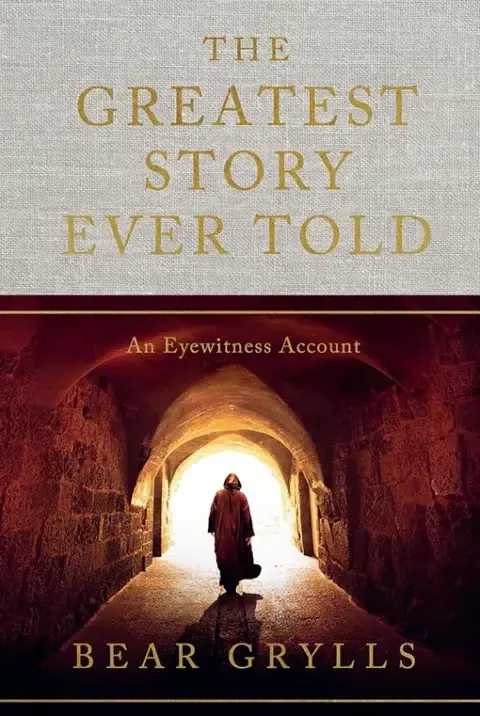
The Greatest Story Ever Told: An Eyewitness Account
Original price was: £14.99.£10.99Current price is: £10.99.


