 01494 862168
  mailorder@standrewsbookshop.co.uk
OUR PRICE
£13.99
Out of stock
CURRENTLY UNAVAILABLE
Additional information
| Weight | 100g |
|---|---|
| Format | Paperback |
| Pages | 224 |
| Publisher | Zondervan |
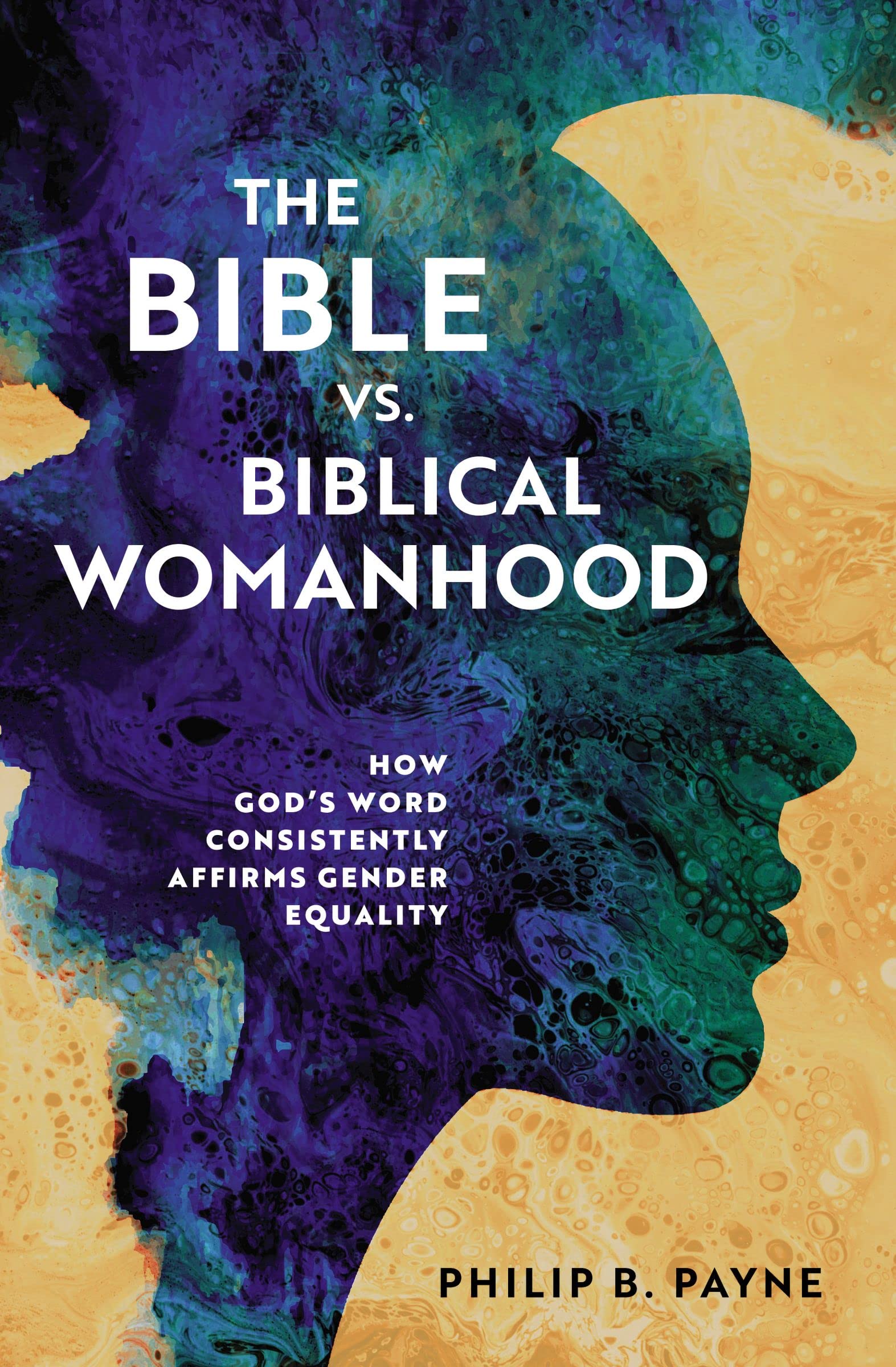
“Biblical womanhood” is the idea that the Bible teaches God-ordained male leadership and female submission in the home and subordination in the church. Some say this hierarchy of authority is sufficiently evidenced by examples of male leadership (and lack of female leadership) in the Bible: the first human was male, Israel’s official priests were male, most authors of Scripture were male, Jesus was male and chose twelve male Apostles. God is addressed as Father. Wives are commanded to submit to their husbands.
Show More
In The Bible vs. Biblical Womanhood, New Testament scholar Philip B. Payne argues that the very Bible passages that are often believed to teach male headship and female subordination actually teach gender equality. He demonstrates that the Bible does not endorse gender hierarchy but instead emphasizes: The Holy Spirit gifting all believers for ministry The oneness of the body of Christ (the church) and the priesthood of all believers Humility, service, and mutual submission required of all believers Freedom and willingness to relinquish freedom in order to spread the gospel
These concepts are examined in 14 Bible passages throughout the Old and New Testaments, using careful exploration of Greek and Hebrew word meanings, historical and cultural context, and examples from Scripture. Payne defends his position by providing detailed answers to common objections at the end of each chapter.
The Bible vs. Biblical Womanhood is for those struggling to reconcile the Bible’s seemingly contradictory teachings about man and woman. Readers will come away with greater confidence in the reliability of Scripture’s consistent, harmonious message of gender equality.
“Biblical womanhood” is the idea that the Bible teaches God-ordained male leadership and female submission in the home and subordination in the church. Some say this hierarchy of authority is sufficiently evidenced by examples of male leadership (and lack of female leadership) in the Bible: the first human was male, Israel’s official priests were male, most authors of Scripture were male, Jesus was male and chose twelve male Apostles. God is addressed as Father. Wives are commanded to submit to their husbands.
Find out more
In The Bible vs. Biblical Womanhood, New Testament scholar Philip B. Payne argues that the very Bible passages that are often believed to teach male headship and female subordination actually teach gender equality. He demonstrates that the Bible does not endorse gender hierarchy but instead emphasizes: The Holy Spirit gifting all believers for ministry The oneness of the body of Christ (the church) and the priesthood of all believers Humility, service, and mutual submission required of all believers Freedom and willingness to relinquish freedom in order to spread the gospel
These concepts are examined in 14 Bible passages throughout the Old and New Testaments, using careful exploration of Greek and Hebrew word meanings, historical and cultural context, and examples from Scripture. Payne defends his position by providing detailed answers to common objections at the end of each chapter.
The Bible vs. Biblical Womanhood is for those struggling to reconcile the Bible’s seemingly contradictory teachings about man and woman. Readers will come away with greater confidence in the reliability of Scripture’s consistent, harmonious message of gender equality.
OUR PRICE:
£13.99
Out of stock
CURRENTLY UNAVAILABLE
“Biblical womanhood” is the idea that the Bible teaches God-ordained male leadership and female submission in the home and subordination in the church. Some say this hierarchy of authority is sufficiently evidenced by examples of male leadership (and lack of female leadership) in the Bible: the first human was male, Israel’s official priests were male, most authors of Scripture were male, Jesus was male and chose twelve male Apostles. God is addressed as Father. Wives are commanded to submit to their husbands.
Show More
In The Bible vs. Biblical Womanhood, New Testament scholar Philip B. Payne argues that the very Bible passages that are often believed to teach male headship and female subordination actually teach gender equality. He demonstrates that the Bible does not endorse gender hierarchy but instead emphasizes: The Holy Spirit gifting all believers for ministry The oneness of the body of Christ (the church) and the priesthood of all believers Humility, service, and mutual submission required of all believers Freedom and willingness to relinquish freedom in order to spread the gospel
These concepts are examined in 14 Bible passages throughout the Old and New Testaments, using careful exploration of Greek and Hebrew word meanings, historical and cultural context, and examples from Scripture. Payne defends his position by providing detailed answers to common objections at the end of each chapter.
The Bible vs. Biblical Womanhood is for those struggling to reconcile the Bible’s seemingly contradictory teachings about man and woman. Readers will come away with greater confidence in the reliability of Scripture’s consistent, harmonious message of gender equality.
Additional information
| Weight | 100g |
|---|---|
| Format | Paperback |
| Pages | 224 |
| Publisher | Zondervan |

-

Building God’s House
£11.99 -
Sale!

Happiness
Original price was: £14.99.£12.99Current price is: £12.99. -
Sale!
Spirit Filled Churches
£12.99£9.99 -

After Amen: 50 Days of Poetry and Prayer | HB
£16.99 -
Sale!

How to Hear God: A Guide for Young Explorers
Original price was: £12.99.£10.99Current price is: £10.99. -
Sale!

Small Steps for Big Change
Original price was: £16.99.£11.99Current price is: £11.99. -

Spark: Ignite Your God-Given Creativity
£12.99 -

A Knock at the Door | PB
£10.99 -
Sale!

My Story, John C Lennox
Original price was: £24.99.£22.99Current price is: £22.99. -
Sale!

The Greatest Story Ever Told: An Eyewitness Account
Original price was: £14.99.£10.99Current price is: £10.99.


