 01494 862168
  mailorder@standrewsbookshop.co.uk
OUR PRICE
£17.99
Usually shipped within 2 - 5 working days
Additional information
| Weight | 100g |
|---|---|
| Format | Paperback |
| Publisher | Crossway |
| Publication Date | 21/11/2001 |
The Gospel of John was beloved by the early church, much as it is today, for its spiritual insight and clear declaration of Jesus’ divinity. Clement of Alexandria indeed declared it the “spiritual Gospel.” Early disputers with heretics such as Cerinthus and the Ebionites drew upon the Gospel of John to refute their heretical notions and uphold the full deity of Christ, and this Gospel more than any other was central to the trinitarian and christological debates of the fourth and fifth centuries.
At the same time, the Gospel of John was also thought to be the most chronological, and even to this day is the source of our sense of Jesus’ having a three-year ministry. And John Chrysostom’s Homilies on John, perhaps more than any other commentary, emphasize Christ’s humanity and condescension toward the human race.
In addition to the serial homilies of John Chrysostom, readers of this volume will find selections from those of Origen, Theodore of Mopsuestia, Cyril of Alexandria and Augustine. These commentaries are supplemented with homiletic material from Gregory the Great, Peter Chrysologus, Caesarius, Amphilochius, Basil the Great and Basil of Seleucia among others. Liturgical selections derive from Ephrem the Syrian, Ambrose and Romanos the Melodist, which are further supplemented with doctrinal material from Athanasius, the Cappodocians, Hilary and Ambrose.
This rich tradition, some of which is here translated for the first time, offers a vast treasure out of which today’s scribes trained for the kingdom may bring forth that which is new and what is old.
Show More
The Gospel of John was beloved by the early church, much as it is today, for its spiritual insight and clear declaration of Jesus’ divinity. Clement of Alexandria indeed declared it the “spiritual Gospel.” Early disputers with heretics such as Cerinthus and the Ebionites drew upon the Gospel of John to refute their heretical notions and uphold the full deity of Christ, and this Gospel more than any other was central to the trinitarian and christological debates of the fourth and fifth centuries.
At the same time, the Gospel of John was also thought to be the most chronological, and even to this day is the source of our sense of Jesus’ having a three-year ministry. And John Chrysostom’s Homilies on John, perhaps more than any other commentary, emphasize Christ’s humanity and condescension toward the human race.
In addition to the serial homilies of John Chrysostom, readers of this volume will find selections from those of Origen, Theodore of Mopsuestia, Cyril of Alexandria and Augustine. These commentaries are supplemented with homiletic material from Gregory the Great, Peter Chrysologus, Caesarius, Amphilochius, Basil the Great and Basil of Seleucia among others. Liturgical selections derive from Ephrem the Syrian, Ambrose and Romanos the Melodist, which are further supplemented with doctrinal material from Athanasius, the Cappodocians, Hilary and Ambrose.
This rich tradition, some of which is here translated for the first time, offers a vast treasure out of which today’s scribes trained for the kingdom may bring forth that which is new and what is old.
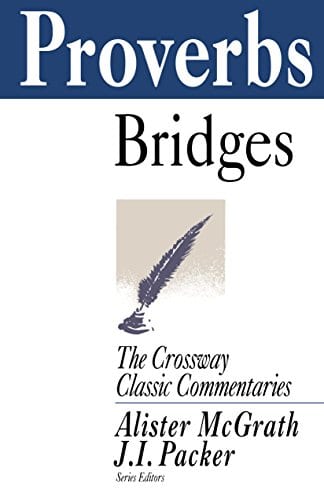
The Gospel of John was beloved by the early church, much as it is today, for its spiritual insight and clear declaration of Jesus’ divinity. Clement of Alexandria indeed declared it the “spiritual Gospel.” Early disputers with heretics such as Cerinthus and the Ebionites drew upon the Gospel of John to refute their heretical notions and uphold the full deity of Christ, and this Gospel more than any other was central to the trinitarian and christological debates of the fourth and fifth centuries.
At the same time, the Gospel of John was also thought to be the most chronological, and even to this day is the source of our sense of Jesus’ having a three-year ministry. And John Chrysostom’s Homilies on John, perhaps more than any other commentary, emphasize Christ’s humanity and condescension toward the human race.
In addition to the serial homilies of John Chrysostom, readers of this volume will find selections from those of Origen, Theodore of Mopsuestia, Cyril of Alexandria and Augustine. These commentaries are supplemented with homiletic material from Gregory the Great, Peter Chrysologus, Caesarius, Amphilochius, Basil the Great and Basil of Seleucia among others. Liturgical selections derive from Ephrem the Syrian, Ambrose and Romanos the Melodist, which are further supplemented with doctrinal material from Athanasius, the Cappodocians, Hilary and Ambrose.
This rich tradition, some of which is here translated for the first time, offers a vast treasure out of which today’s scribes trained for the kingdom may bring forth that which is new and what is old.
Find out more
The Gospel of John was beloved by the early church, much as it is today, for its spiritual insight and clear declaration of Jesus’ divinity. Clement of Alexandria indeed declared it the “spiritual Gospel.” Early disputers with heretics such as Cerinthus and the Ebionites drew upon the Gospel of John to refute their heretical notions and uphold the full deity of Christ, and this Gospel more than any other was central to the trinitarian and christological debates of the fourth and fifth centuries.
At the same time, the Gospel of John was also thought to be the most chronological, and even to this day is the source of our sense of Jesus’ having a three-year ministry. And John Chrysostom’s Homilies on John, perhaps more than any other commentary, emphasize Christ’s humanity and condescension toward the human race.
In addition to the serial homilies of John Chrysostom, readers of this volume will find selections from those of Origen, Theodore of Mopsuestia, Cyril of Alexandria and Augustine. These commentaries are supplemented with homiletic material from Gregory the Great, Peter Chrysologus, Caesarius, Amphilochius, Basil the Great and Basil of Seleucia among others. Liturgical selections derive from Ephrem the Syrian, Ambrose and Romanos the Melodist, which are further supplemented with doctrinal material from Athanasius, the Cappodocians, Hilary and Ambrose.
This rich tradition, some of which is here translated for the first time, offers a vast treasure out of which today’s scribes trained for the kingdom may bring forth that which is new and what is old.
OUR PRICE:
£17.99
Usually shipped within 2 - 5 working days
The Gospel of John was beloved by the early church, much as it is today, for its spiritual insight and clear declaration of Jesus’ divinity. Clement of Alexandria indeed declared it the “spiritual Gospel.” Early disputers with heretics such as Cerinthus and the Ebionites drew upon the Gospel of John to refute their heretical notions and uphold the full deity of Christ, and this Gospel more than any other was central to the trinitarian and christological debates of the fourth and fifth centuries.
At the same time, the Gospel of John was also thought to be the most chronological, and even to this day is the source of our sense of Jesus’ having a three-year ministry. And John Chrysostom’s Homilies on John, perhaps more than any other commentary, emphasize Christ’s humanity and condescension toward the human race.
In addition to the serial homilies of John Chrysostom, readers of this volume will find selections from those of Origen, Theodore of Mopsuestia, Cyril of Alexandria and Augustine. These commentaries are supplemented with homiletic material from Gregory the Great, Peter Chrysologus, Caesarius, Amphilochius, Basil the Great and Basil of Seleucia among others. Liturgical selections derive from Ephrem the Syrian, Ambrose and Romanos the Melodist, which are further supplemented with doctrinal material from Athanasius, the Cappodocians, Hilary and Ambrose.
This rich tradition, some of which is here translated for the first time, offers a vast treasure out of which today’s scribes trained for the kingdom may bring forth that which is new and what is old.
Show More
The Gospel of John was beloved by the early church, much as it is today, for its spiritual insight and clear declaration of Jesus’ divinity. Clement of Alexandria indeed declared it the “spiritual Gospel.” Early disputers with heretics such as Cerinthus and the Ebionites drew upon the Gospel of John to refute their heretical notions and uphold the full deity of Christ, and this Gospel more than any other was central to the trinitarian and christological debates of the fourth and fifth centuries.
At the same time, the Gospel of John was also thought to be the most chronological, and even to this day is the source of our sense of Jesus’ having a three-year ministry. And John Chrysostom’s Homilies on John, perhaps more than any other commentary, emphasize Christ’s humanity and condescension toward the human race.
In addition to the serial homilies of John Chrysostom, readers of this volume will find selections from those of Origen, Theodore of Mopsuestia, Cyril of Alexandria and Augustine. These commentaries are supplemented with homiletic material from Gregory the Great, Peter Chrysologus, Caesarius, Amphilochius, Basil the Great and Basil of Seleucia among others. Liturgical selections derive from Ephrem the Syrian, Ambrose and Romanos the Melodist, which are further supplemented with doctrinal material from Athanasius, the Cappodocians, Hilary and Ambrose.
This rich tradition, some of which is here translated for the first time, offers a vast treasure out of which today’s scribes trained for the kingdom may bring forth that which is new and what is old.
Additional information
| Weight | 100g |
|---|---|
| Format | Paperback |
| Publisher | Crossway |
| Publication Date | 21/11/2001 |

-

Building God’s House
£11.99 -
Sale!

Happiness
Original price was: £14.99.£12.99Current price is: £12.99. -
Sale!

Spirit Filled Churches
£12.99£9.99 -

After Amen: 50 Days of Poetry and Prayer | HB
£16.99 -
Sale!

How to Hear God: A Guide for Young Explorers
Original price was: £12.99.£10.99Current price is: £10.99. -
Sale!

Small Steps for Big Change
Original price was: £16.99.£11.99Current price is: £11.99. -

Spark: Ignite Your God-Given Creativity
£12.99 -

A Knock at the Door | PB
£10.99 -
Sale!

My Story, John C Lennox
Original price was: £24.99.£22.99Current price is: £22.99. -
Sale!
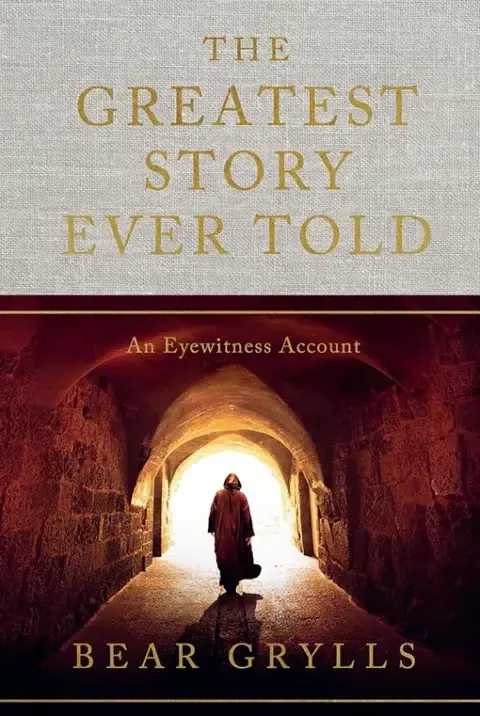
The Greatest Story Ever Told: An Eyewitness Account
Original price was: £14.99.£10.99Current price is: £10.99.


